No BS approach
We explain what the different cover types may do, what is already in super and what questions matter. If a conversation is not useful, we will say so.
Licensed insurance adviser · Australia-wide
Life, income protection, TPD and trauma cover, explained in plain English by a real adviser. No jargon, no run-around. And if you do not need it, we will tell you.
In 16 years, Justin has helped 640+ families sort their cover, and assisted with $15M+ in paid claims.1
1 Experience refers to our lead adviser, Justin Turtle. Financial Advisers Register, AR No. 332025, first authorised 2009. Figures refer to cases Justin has assisted. Past outcomes do not guarantee future results.Different jobs, different fine print. Start with what each cover type may do, what it does not do and which questions are worth checking.

May pay a regular benefit if illness or injury keeps you off work, subject to policy terms.
May pay a lump sum in the circumstances set out in the policy, helping people understand what may be worth checking.

May pay a lump sum if you meet a total and permanent disability definition in the policy.

May pay a lump sum after diagnosis of a serious condition specified in the policy.
We explain what the different cover types may do, what is already in super and what questions matter. If a conversation is not useful, we will say so.
Claims depend on definitions, evidence and circumstances. If a claim happens, Justin can help you understand the insurer's process.
Policy terms, premiums, exclusions and how an advice process works should be explained plainly before anyone decides what to do.
A short conversation about what you are trying to sort out. No pressure to proceed.
Justin explains the relevant cover topics, trade-offs and next steps in plain English.
Take your time. If you choose to continue, the advice process explains what comes next.
Worried insurers find ways not to pay? APRA's December 2025 data reported that 97 in 100 death-cover claims made through an adviser were admitted last year. An individual claim still depends on the policy terms, evidence and circumstances.1
1 APRA Life Insurance Claims and Disputes Statistics, 12 months to 31 December 2025, published 29 April 2026. Past industry outcomes do not guarantee an individual claim outcome.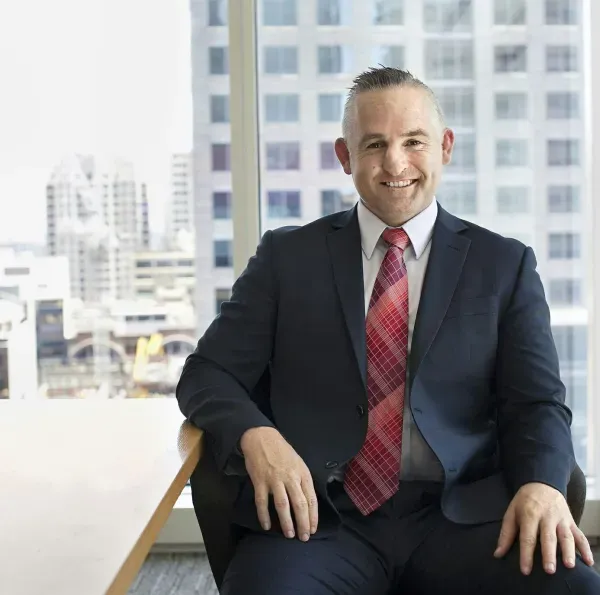
When we talk, I will explain the cover types available, the pros and cons of each and the questions worth asking. I will also explain what you may already have in super. A lot of people are surprised.
Then you decide what, if anything, makes sense to explore through the advice process. New cover, a review of what you have or doing nothing are all valid outcomes.
And if you ever need to make a claim, you can talk to someone who understands the details.
— Justin Turtle
Licensed adviser · AR 332025 · first authorised 2009Individual client experiences, shared with permission. Claim outcomes depend on policy terms, evidence and circumstances — past outcomes are not a guarantee.
Showing testimonial 1 of 3.
The first call costs nothing and there is no obligation. If you go ahead, we explain exactly how we are paid before you commit to anything, so there are no surprises.
Sometimes, but often not. Default cover in super is one-size-fits-all: the amounts are usually modest, the definitions can be narrower, and it can switch off without you noticing. Checking your statement is the first step, and we can help you read it.
It depends on your debts, income, dependants and what you already have in place. There is no magic number, but working through those pieces usually gets you to a figure that makes sense — that is a big part of what advice is for.
Yes — Australian insurers pay the large majority of claims. Most declined claims come down to policy terms and definitions, which is exactly why getting the right cover and definitions upfront matters so much.
Not always. It depends on the insurer, the cover you apply for and your health history. Many applications go through with just a questionnaire; some need blood tests or a GP report. We tell you what to expect before you apply.
TPD pays a lump sum if you are totally and permanently unable to work. Trauma pays a lump sum on diagnosis of a specified serious condition, such as cancer or a heart attack, whether or not you can still work. They solve different problems, and some people hold both.
Ask us directly if you would like to talk through your questions.
Book a call with Justin, explain where you are at and get a clearer view of what may be worth checking. If there is nothing to do, you will know you can leave it alone.
Book a no-obligation callPrefer to talk now? Call 0468 015 869
General advice only. No obligation to proceed.